Unique
Original book (April 2020) · p. 35
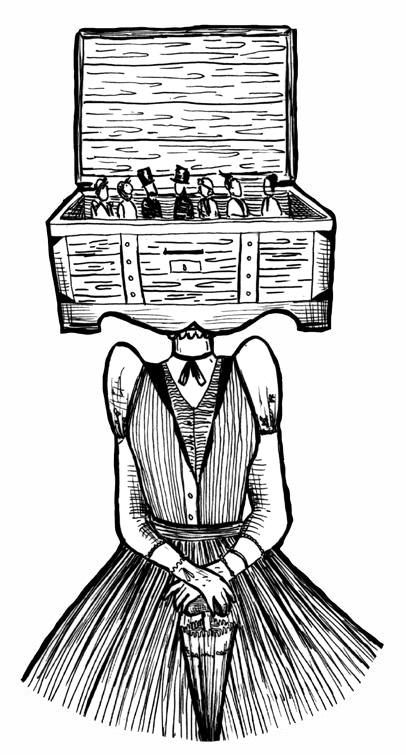
A collective of individualistic individuals treated as a homogenous body by advertisers, publishers, and developers.
Phrasing can come in many guises: “unique users,” “unique visitors,” “unique viewers,” “unique listeners,” etc.
Any of the above terms are frequently shortened so that one simply refers to “uniques.” Microsoft’s spellcheck refuses to allow this word to go unflagged, as should everyone else in advertising and media. “Unique” means the exact opposite in industry parlance as it does to anyone with at least third grade-level English comprehension.
The opposite of the industry phrasing of “unique” is…
Nothing.
For instance, the opposite of “unique visitors” is “visitors.” Thus, one unique aspect of “unique” is that it is peerless. One could say that the opposite of “unique visitors” is “total visitors,” but no one speaks like that. It’s best to leave off “unique” entirely.
If one refers to “visitors,” the assumption is that one is referring to the total number of people visiting a digital property over a specified period. This total includes repeat visitors.
If one person manages to visit a single website 1,000 times over a month (such as this author with fivethirtyeight.com during election season), then this is considered 1,000 visitors or visits. Advertisers and publishers always want to put the biggest number first if that number is even remotely positive. If this website reported the number of unique visitors who accounted for those 1,000 visits, the number of unique visitors would be one. If there were 1,000 people each visiting that property 1,000 times during the month, it would be reported as 1 million visitors and 1,000 unique visitors. Still, the actual visitors would not be acknowledged to be unique in any way (see also: Frequency).